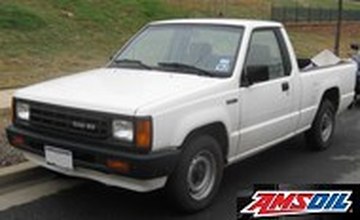
Engine Lubrication and Maintenance for the 1982 Dodge Trucks D50 PICKUP 2.6L
Maintaining a vehicle from the early 1980s requires a proactive approach to fluid management and mechanical inspection. For owners of the 1982 Dodge Trucks D50 PICKUP equipped with the 2.6L engine, consistent attention to lubrication is a fundamental aspect of long-term engine health. While modern vehicles often feature automated monitoring systems, older platforms rely heavily on manual checks and the owner's ability to recognize subtle changes in operating conditions.
Monitoring Fluid Integrity and Condition
A primary component of routine service involves observing the physical condition of the engine oil. Over time, lubricants can undergo chemical changes due to heat and exposure to combustion byproducts. Regularly checking the appearance of the oil can provide useful information regarding the internal state of the engine.
When performing an inspection, look for several indicators:
- Color and Clarity: While oil naturally darkens with use, extreme discoloration or a milky appearance may warrant further investigation.
- Texture: The presence of grit or unusual textures in the lubricant can indicate internal wear or contamination that requires professional diagnosis.
- Odor: Strong or unusual smells associated with the oil can sometimes be linked to external factors or changes in how the engine is operating.
If you notice significant changes in the appearance of the lubricant, it is advisable to investigate the cause rather than simply replacing the fluid. Such changes can be associated with various mechanical factors that should be addressed to ensure continued reliability.
Observing Potential Warning Signs
Identifying issues early can prevent more extensive mechanical complications. For a 1982 Dodge Trucks D50 PICKUP, certain symptoms serve as indicators that the lubrication system or related components require attention. It is important to remember that many symptoms can have multiple underlying causes, so they should be treated as prompts for inspection rather than definitive diagnoses.
Potential signs to monitor include:
- Visible Seepage: Inspecting the area around the engine for any evidence of fluid leakage or seepage is a vital part of routine maintenance. This includes checking various gaskets and seals for signs of age-related weeping.
- Unusual Noises: Any new mechanical sounds that coincide with engine operation should be investigated, as they may indicate changes in how components are being lubricated.
- Changes in Consumption: If you find yourself needing to add oil more frequently than in the past, this change in consumption warrants a thorough inspection of the engine and its sealing surfaces.
If any warning lights or indicators appear on the dashboard related to engine operation, these should be addressed immediately to prevent potential damage.
Prioritizing Maintenance as the Vehicle Ages
As vehicles move further into their service life, maintenance priorities often shift from simple fluid changes to more comprehensive condition-based monitoring. For an older 2.6L Dodge engine, effective ownership involves distinguishing between necessary preventive maintenance and unnecessary component replacement.
A useful strategy for long-term care is to establish a maintenance baseline. If the previous service history of the vehicle is unknown, begin by performing thorough inspections of all accessible components. Once you have a clear understanding of the current condition of the belts (if equipped), hoses, and electrical connections, you can develop a more accurate schedule for future service.
When managing an older pickup, focus on addressing active concerns first—such as identified leaks or changes in fluid behavior—before moving on to broader preventive tasks. Keeping detailed records of every oil change, filter replacement, and observed mechanical change will assist in identifying patterns that might otherwise go unnoticed.
General Inspection of Engine Components
Beyond the oil itself, several peripheral components should be part of a regular inspection routine. While these items may not always require immediate service, their condition directly impacts the overall environment in which the engine operates.
If equipped, inspect accessible drive belts for signs of deterioration such as cracking, glazing, or fraying. Similarly, if the vehicle is present with various rubber hoses, check them for softness, swelling, or visible cracks. Maintaining the integrity of these components helps ensure that the engine remains in a stable operating environment.
Electrical connections and wiring should also be inspected periodically. Corroded or loose connectors can lead to inconsistent performance, which may indirectly affect how the engine manages heat and lubrication. Ensuring that all electrical systems are clean and secure is a practical step in comprehensive vehicle care.
The Role of Effective Lubrication
Engine oil performs several vital roles that go beyond simple friction reduction. It acts as a medium for managing heat, helping to dissipate thermal energy away from critical internal areas. Furthermore, the chemical additives within modern lubricants are designed to help manage deposits and maintain cleanliness within the engine architecture.
The quality of the lubricant used can influence how well the engine resists oxidation and maintains its protective properties over a service interval. While different formulations offer varying levels of protection, the most important factor is ensuring that the lubricant matches the specific requirements of the 2.6L engine as outlined in the application information provided for this vehicle.
Buying Engine Oil for your 1982 Dodge Trucks D50 PICKUP 2.6L
When it is time to replenish your engine's lubricant, accuracy in selection is paramount. To ensure the best results for your 1982 Dodge Trucks D50 PICKUP 2.6L, you must match the engine oil to the application-specific viscosity information already displayed on this page.
Avoid making assumptions based solely on the age of the vehicle or general automotive trends. Instead, follow these practical steps when purchasing your next supply:
- Verify Viscosity: Always check the product label to ensure the SAE viscosity matches the specific requirements listed in the application data above.
- Check Certifications: Look for appropriate API service classifications on the container to ensure the oil meets modern quality standards for cleanliness and protection.
- Consider Formulations: Depending on your specific needs, you may choose between conventional, synthetic blend, or full synthetic oils. Some high-mileage formulations also contain additives intended for use in aging engines, including seal-conditioning additives.
- Inspect the Label: Before completing your purchase, confirm that the oil's specifications align with the technical data provided for this exact 2.6L engine application.